If you opened your water bill this month and did a double take, you're not alone. We hear this question constantly from homeowners across Fountain Hills, Scottsdale, Gilbert, and Mesa: "Nothing changed, so why is my bill so much higher?" Between our desert climate, hard water, and homes built on concrete slabs, the Valley has a few water-bill culprits that other parts of the country simply don't deal with. Below, we walk through the most common causes, then give you a room-by-room checklist you can run through this weekend before deciding whether it's time to call in a professional.
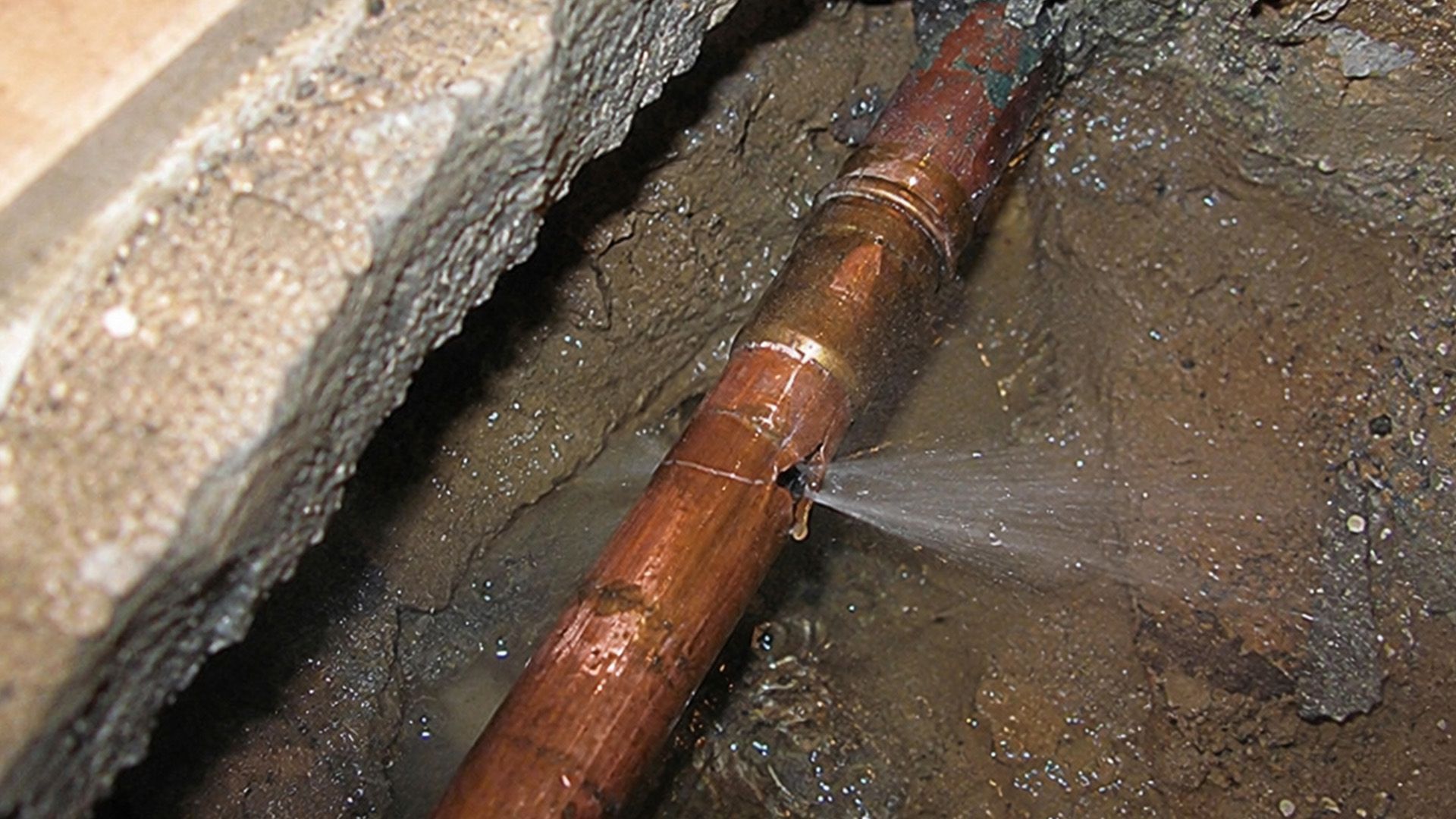
Understanding the Causes Behind a High Water Bill
Before you assume the worst, it helps to understand what's actually driving your usage up. Sometimes it's a leak. Just as often, it's a combination of smaller factors that add up fast in Arizona's climate.
Common Reasons for Rising Water Costs
A sudden spike usually traces back to one of a handful of things: a running toilet, an aging water heater, a new appliance, added household members, or yes, a leak somewhere in the system. We've also seen bills jump simply because a municipal water rate increased or a tiered pricing structure pushed a household into a higher usage bracket. The trick is ruling out the simple explanations first so you're not chasing a phantom leak that doesn't exist.
How Seasonal Patterns and Water Rates Affect Your Bill
Here in the East Valley, summer irrigation and pool top-offs can nearly double household water use compared to winter months, so some increase between April and September is normal. What's not normal is a spike that has no connection to weather, watering schedules, or household habits. If your bill jumped well beyond what seasonal watering would explain, that's a signal worth taking seriously.
Hidden Leaks: The Unexpected Drivers of Elevated Water Bills
This is the category that catches most homeowners off guard, because hidden leaks rarely look dramatic. There's no puddle in the living room, no water stain on the ceiling — just a bill that keeps creeping up.
Rising Water Bills With No Visible Leaks
Slab leaks are one of the most common invisible culprits we encounter in the Valley. Because so many homes here are built on concrete slab foundations, a pinhole leak in a supply line can run for weeks underneath the flooring before it ever surfaces as a wet spot, a warm patch on the floor, or a drop in water pressure. If you want a deeper look at what these repairs typically involve locally, our guide on the
cost to fix a leak under a concrete slab walks through pricing factors and warning signs in more detail.
Detecting Hidden Water Waste and Common Leak Locations
Beyond slab leaks, we most often find hidden water waste in a handful of predictable spots: toilet flappers that have gone slightly out of round, supply lines behind washing machines, water softener bypass valves, and irrigation lines buried a few inches underground. None of these announce themselves loudly, which is exactly why a systematic check matters more than a quick glance around the house.
Step-by-Step Leak-Detection Checklist for Homeowners
Grab your water bill and a flashlight, and let's work through this in order. Most of these checks take five minutes or less.
How to Read Your Water Meter and Detect a Leak
Your water meter is the single most reliable tool you already own. Locate it, usually near the curb or front property line, and make sure every faucet, appliance, and irrigation valve inside and outside the home is turned off. Then watch the meter for two to three minutes without using any water.
Is the Water Meter Showing a Leak?
If the meter's leak indicator (often a small triangle or spinning dial) is moving, or if the numbers change at all during that quiet window, water is flowing somewhere in your system even though nothing should be running. That's a strong sign of an active leak, and it's worth writing down the reading, waiting an hour with water still off, and checking again to confirm.
Testing for Silently Running Toilets and Leaky Fixtures
Toilets are the number one hidden water waster in most homes. Add a few drops of food coloring to the tank, wait ten minutes without flushing, and check the bowl. If color shows up, water is seeping past the flapper. While you're at it, run a hand along the supply lines under sinks and behind toilets, feeling for dampness or mineral buildup that suggests a slow drip.
Inspecting Water-Based Appliances and Softeners for Leaks
Water heaters, dishwashers, and washing machines all have supply and drain connections that loosen or corrode over time. Check the base of your water heater for pooling water or rust streaks, and pull washing machine hoses slightly away from the wall to look for kinks or wear. Given our hard water, softeners and conditioners deserve a close look too, since a stuck bypass valve or cracked brine tank can waste a surprising amount of water without any obvious symptoms. If your softener is due for a checkup or replacement, our
water softener installation team can inspect the whole system while they're there.
Checking Outdoor Areas and Irrigation Systems for Leaks
Indoor fixtures only tell part of the story. In our climate, outdoor systems are responsible for a large share of unexplained water bills.
Identifying Outdoor Leak Suspects and Irrigation Issues
Walk your property looking for unusually green or soggy patches of ground, cracked or misaligned drip emitters, and valve boxes that stay wet even when irrigation hasn't run recently. Desert landscaping means most yards don't need much water, so any consistently damp area is worth investigating.
Detecting Pool and Spa Leaks That Spike Your Bill
If you have a pool or spa, do the bucket test: place a filled bucket on the pool step so the water levels inside and outside the bucket match, mark both levels, and check again after 24 hours with the pump off. If the pool has dropped noticeably more than the bucket, evaporation alone doesn't explain it, and a structural or plumbing leak in the pool system is a likely cause.
When Should You Call a Leak Detection Specialist?
Some checks you can absolutely do yourself. Others require equipment and experience most homeowners don't have on hand, and that's where we come in.
Red Flags That Mean You Need Expert Leak Detection
Call a professional if your meter shows movement with everything off but you can't find a visible source, if you notice warm spots on flooring, the sound of running water inside walls or under the slab, a sudden and unexplained drop in water pressure, or mold and musty odors with no obvious cause. These are classic signs of a slab or underground leak that needs specialized
leak detection equipment to pinpoint accurately without tearing up your entire yard or foundation.
What You Should Do Before Scheduling a Service Visit
Before your appointment, jot down your last two to three water bills so we can see the trend, note any rooms with warm floors or unusual sounds, and locate your main shutoff valve in case the leak needs to be isolated quickly. Having this information ready helps our technicians diagnose the issue faster once they arrive.
How to Monitor Your Water Usage and Prevent Future Spikes
Catching a leak early is always cheaper and easier than catching it late, so building a simple monitoring habit pays off.
Tips for Monitoring Water Usage All Year Long
Read your meter on the same day each month and log the number alongside your bill. Many municipal water providers also offer online usage portals that show daily or hourly consumption, which make it much easier to spot a spike right after it happens instead of a full billing cycle later. Replacing older toilet flappers every few years and scheduling an annual plumbing inspection are two of the simplest ways to prevent small leaks from turning into expensive ones.
Frequently Asked Questions About High Water Bills and Leak Detection
How much water does a running toilet actually waste? A single silently running toilet can waste hundreds of gallons a day, which is often enough on its own to explain a noticeably higher bill.
Can a leak cause my water pressure to drop? Yes. A significant leak, especially a slab leak, diverts water away from your fixtures and can cause noticeably weaker pressure throughout the home.
Will homeowner's insurance cover a slab leak? Coverage varies by policy and by what caused the leak, so it's worth reviewing your policy details or asking your insurance provider directly before assuming either way.
How quickly should I act on a suspected leak? As soon as possible. The longer a leak runs, the more water is wasted and the greater the risk of structural or foundation damage.
Solutions and Leak Advice for Single Family Homeowners
For single-family homeowners, the checklist above will catch the vast majority of hidden leaks. The main thing we'd add is consistency: build the meter check and the toilet dye test into a seasonal routine, ideally each spring before irrigation season ramps up and each fall as it winds down. If you do find signs of a slab leak, resist the urge to guess at the source yourself by cutting into flooring or drywall. Our
slab leak detection process uses acoustic and pressure-testing equipment to locate the leak precisely, which keeps repair costs and disruption to a minimum.
Leak Detection and Water Management for Landlords and Multi-Unit Properties
Landlords and property managers face a different challenge: tenants often don't notice or report a slow leak until the bill arrives, and by then it may have been running for weeks. We recommend building a leak check into every turnover inspection and, for multi-unit properties, installing sub-meters where possible so a spike can be traced to a specific unit instead of guessed at across the whole building. If you manage properties across the Valley, our teams provide the same thorough process whether you're in Fountain Hills,
Scottsdale, or
Gilbert, so unexplained water bills don't eat into your margins month after month.
If your water bill has you stumped after running through this checklist, we're here to help.
Request service and one of our background-checked, licensed technicians will track down the source of the problem and get it fixed, often the same day you call.
Matt Howard