Why Arizona Has Some of the Hardest Water in the U.S. and What It's Doing to Your Pipes
SCHEDULE ONLINE CALL NOWWhy Arizona Has Some of the Hardest Water in the U.S. — And What It's Doing to Your Pipes
If you've ever noticed chalky white spots on your shower glass, a dull film on your dishes, or soap that just won't lather, you're not imagining things. Arizona — and the greater Phoenix metro area in particular — consistently ranks among the hardest water regions in the entire country. At Travis & Sons Plumbing & Rooter, we've been serving homes throughout Fountain Hills, Scottsdale, Gilbert, Mesa, and the rest of Maricopa County since 1989, and hard water is one of the most common issues our technicians are asked about.
In this guide, we'll break down exactly why Arizona's water is so mineral-heavy, what that hardness is doing to your plumbing and appliances behind the scenes, and what your real options are for treating it — from traditional softeners to salt-free conditioning systems.
Why Does Arizona Have the Hardest Water in America?
How Phoenix's Geology and Arid Climate Affect Water Hardness
Water hardness is determined by the concentration of dissolved minerals — mainly calcium and magnesium — that water picks up as it travels through soil and rock. Much of the Valley's municipal water is sourced from the Colorado River and Salt River systems, both of which pass through limestone-rich terrain and Arizona's caliche layers before reaching treatment plants. Add in the state's arid climate, where evaporation concentrates minerals rather than diluting them, and you get water that arrives at your tap already loaded with hardness minerals long before it ever reaches your pipes.
Arizona Water Hardness Chart and USA Comparison Maps
Water hardness is typically measured in grains per gallon (GPG). While hardness varies somewhat by city and neighborhood, most of the Phoenix metro area — including Fountain Hills, Scottsdale, Gilbert, and Mesa — falls into the "very hard" category.
| Hardness Category | Grains Per Gallon (GPG) | Typical Location |
|---|---|---|
| Soft | 0 – 1 | Parts of the Pacific Northwest |
| Moderately Hard | 4 – 7 | Many Midwest cities |
| Hard | 7 – 10.5 | Some Southwest municipalities |
| Very Hard | 10.5+ | Phoenix metro area, including the East Valley |
Because hardness can vary block by block depending on well blending and local infrastructure, the only way to know your exact number is to have your water tested rather than relying on citywide averages.
The Impact of Hard Water on Home Plumbing and Appliances
Damage to Household Plumbing and Water Infrastructure
Over time, dissolved minerals in hard water precipitate out and form scale — a chalky, cement-like buildup — on the interior walls of pipes, faucets, and water heater tanks. In homes with the galvanized or older copper piping still found throughout parts of Maricopa County, this scale gradually narrows the interior diameter of the pipe, reducing water pressure and increasing strain on fittings. It's also one of the leading contributors to the kind of underground pipe failures we address through whole-home repiping when a system has aged past the point of patchwork repair.
How Hard Water Increases Energy Costs and Reduces Appliance Lifespan
Scale buildup acts as an insulator inside water heater tanks, forcing the heating element or burner to work harder — and longer — to reach the same temperature. That translates directly into higher utility bills. Dishwashers, washing machines, and coffee makers all show accelerated wear in hard water homes, often failing years earlier than their rated lifespan. If you're noticing your water heater struggling to keep up, hard water buildup is frequently part of the story.
Effects of Hard Water on Daily Living and Health
How Hard Water Affects Skin, Hair, and Overall Health
Hard water makes it harder for soap to fully rinse away, which can leave a residue on skin and hair that contributes to dryness, irritation, and dull-looking hair. While hard water itself isn't considered a health hazard by the EPA, many Arizona residents notice a real, tangible difference in how their skin and hair feel after switching to treated water.
Why Laundry and Cleaning Are Harder with Hard Water
Because minerals interfere with detergent's ability to lather and lift dirt, clothes washed in hard water often come out looking dingy and feeling stiff, even with quality detergent. The same minerals leave the streaky spots you see on glassware, shower doors, and chrome fixtures no matter how much you scrub.
Solutions for Treating Hard Water in Arizona Homes
Standard Water Softeners and Why They Aren't Always the Fix
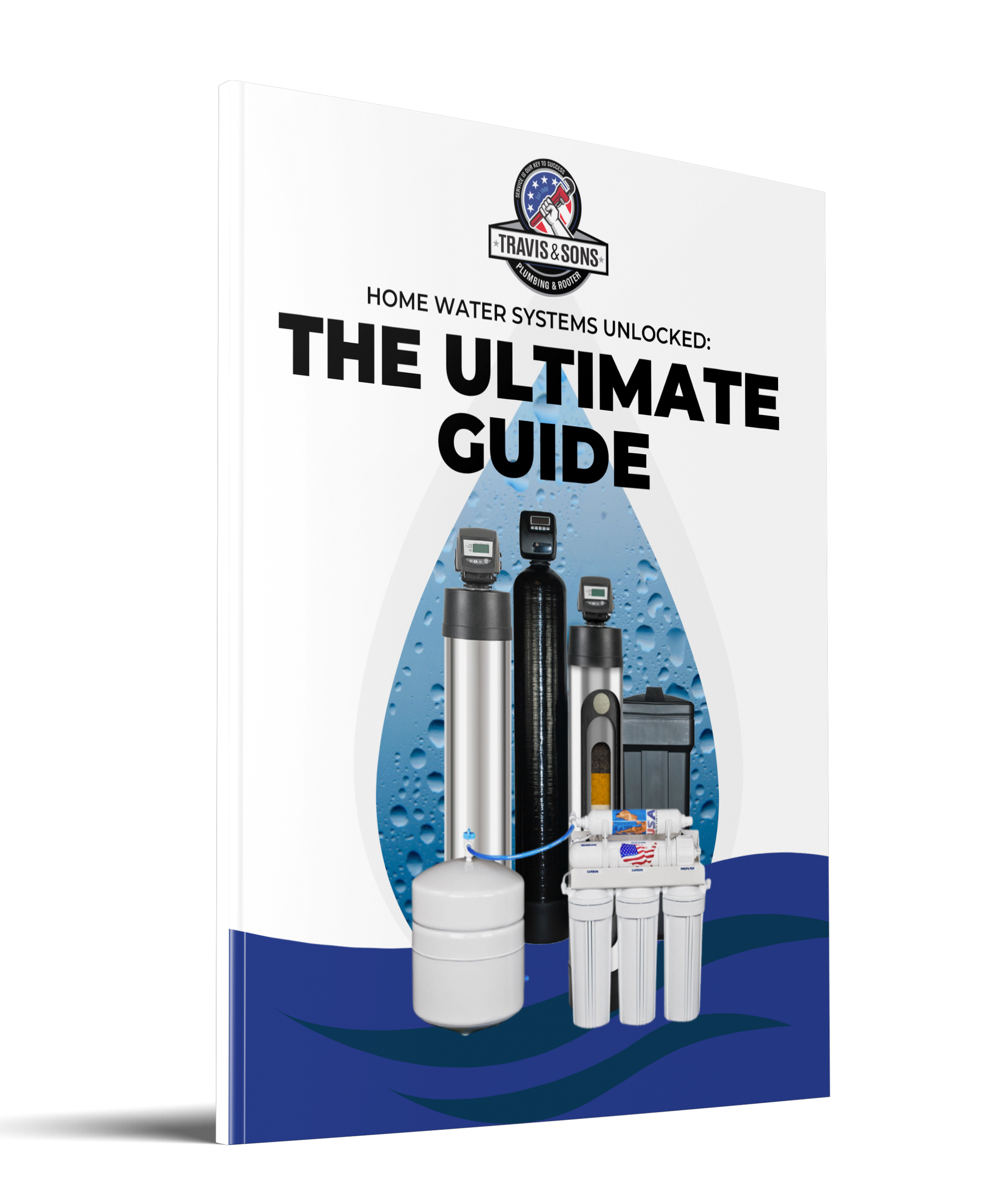
Traditional salt-based water softeners use an ion-exchange process to physically remove calcium and magnesium from your water, replacing them with sodium. They're highly effective at eliminating hardness, but they do require ongoing salt refills, periodic maintenance, and add sodium to your wastewater — a consideration for households on sodium-restricted diets or with septic systems. Our team installs and services water softener systems throughout the Valley, sized to match your household's actual water usage.
Salt-Free Alternatives and Green Water Treatment Options
For homeowners who want to reduce scale without adding sodium, salt-free conditioners use template-assisted crystallization to change the mineral structure so it can't stick to pipe walls, rather than removing the minerals outright. These systems require less maintenance and no brine tank, though they don't reduce hardness numbers the way a traditional softener does. Many Arizona homes pair conditioning with a reverse osmosis system at the kitchen tap for the best of both worlds — whole-home scale protection and great-tasting drinking water.
How to Choose the Right Water Treatment Provider in Phoenix
Comparing Professional Companies, Services, and Products in Phoenix
Not every water treatment company sizes systems correctly for Arizona's exceptionally high hardness levels. A system designed for moderately hard Midwest water will often be undersized for the Valley, leading to disappointing results and premature resin exhaustion. Look for a licensed, insured local plumbing company with direct experience treating Arizona water specifically — not just a big-box installer working from a generic spec sheet.
The Importance of Free Diagnosis and Satisfaction Guarantees
Before recommending a system, a reputable provider should test your actual water hardness and walk you through the options rather than pushing a single product. At Travis & Sons, every installation comes backed by our three-year warranty on labor and workmanship, so you're covered well beyond the initial install.
How Hard Water in Arizona Compares to Other U.S. Cities
Top Hard Water Cities: Where Phoenix, Arizona Stands
Phoenix regularly appears alongside cities like Las Vegas, Indianapolis, and San Antonio on lists of the hardest municipal water supplies in the country. What sets the Valley apart is the combination of already-hard source water with an arid climate that offers little natural dilution, plus the widespread use of evaporative cooling and irrigation systems that concentrate mineral deposits even further on exterior fixtures and landscaping equipment.
Frequently Asked Questions About Hard Water in Arizona
Hard Water, Drinking Safety, and Testing: Your Top Questions Answered
Is Arizona's hard water safe to drink?
Yes. Hard water is considered safe by the EPA — the minerals responsible for hardness aren't a health hazard, they're primarily a nuisance for plumbing, appliances, and cleaning.
How do I know how hard my water actually is?
A simple in-home test strip gives a rough estimate, but a professional water test provides an accurate grains-per-gallon reading so any treatment system can be sized correctly.
Will a water softener fix low water pressure caused by scale?
A softener prevents new scale from forming, but it won't remove buildup that has already accumulated inside old pipes. In those cases, a plumbing inspection is the right next step.
Key Takeaways and Next Steps to Solve Phoenix's Hard Water Problem
Why Taking Action on Hard Water Matters for Every Arizona Home
Arizona's geology and climate make hard water a fact of life for nearly every home in the Valley — but the damage it causes to your plumbing, appliances, and utility bills is entirely preventable with the right treatment system. Whether that means a traditional softener, a salt-free conditioner, or a combination approach with reverse osmosis, the sooner you address it, the more you protect your home's plumbing investment.
Ready to find out exactly how hard your water is and what it's costing you? Call Travis & Sons Plumbing & Rooter at (480) 837-9422 or request service online for a water treatment consultation.
Marcie Howard